


Symptoms of DTs include severe shaking or seizures, hallucinations, and psychosis. It is crucial to note that shaking and sweating after drinking alcohol can sometimes indicate underlying health conditions. If these symptoms persist or are accompanied by other concerning signs, it is advisable to seek medical attention for proper evaluation and diagnosis. Hangover shakes, also known as alcohol tremors or alcohol shakes, refer to the involuntary trembling or shivering of the body that can occur after excessive alcohol consumption. These shakes typically manifest as shaky hands, quivering limbs, or a general feeling of tremors throughout the body. The severity and duration of hangover shakes can vary from person to person.
Get enough sleep
Medications, brain damage, and chronic conditions like Parkinson’s can also Drug rehabilitation cause involuntary shaking. Excessive drinking has numerous impacts on your body and mind, ranging from mild to severe. Learn which signs to look out for, and how to care for your well-being. Hangover shakes are tremors that some people experience after they stop drinking alcohol.
What Helps with Weed Withdrawals?

The early stage, which can start within hours of your last drink, often includes symptoms like anxiety, shakes, and insomnia. As the withdrawal progresses, these symptoms may peak – often within the first 24 to 48 hours – and then will begin to diminish over the following days. Stress and anxiety can increase the severity of alcohol withdrawal symptoms.
Why Do I Shake After Drinking Alcohol?
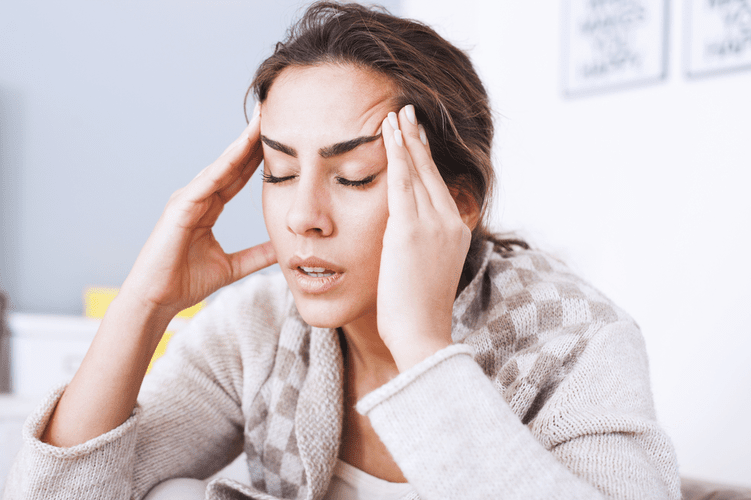
However, untreated DT can be dangerous, so a person at risk for DT should see a doctor if they get hangover shakes. Temporary changes to neurotransmitter activity are part of the reason some people experience hangover shakes. While alcohol shakes are not life threatening, delirium tremens may also cause seizures and may lead to death without appropriate treatment.
When Shakes Indicate a Serious Condition
Understanding these biological mechanisms can shed light on why these tremors occur. The hypothalamus, a region in the brain responsible for thermoregulation, monitors the body’s core temperature. When it detects this decrease, it triggers compensatory mechanisms to generate heat and conserve warmth, such as shivering or the sensation of chills. Alcohol disrupts the hypothalamus’s normal function, impairing its ability to precisely regulate temperature, which further contributes to this feeling of coldness. Studies show that alcohol can reduce the body’s ability to control its temperature, leading to a decrease in core body temperature.
Yes, even in a warm environment, alcohol’s impact on your body’s temperature regulation can lead to shivering as a response to the beverage’s effects. This fluid loss can disrupt the balance of electrolytes in the body, such as potassium and magnesium, which are important for nerve and muscle function. An imbalance in these electrolytes can impair the precise signaling required for coordinated muscle movement, contributing to tremors. Alcohol initially acts as a depressant on the central nervous system (CNS), slowing down brain activity and nerve communication. As the body metabolizes and eliminates alcohol, the CNS experiences a rebound effect, becoming overactive.
General Health
Boris is an addiction therapist and assists in the alcohol detox and rehab process. Boris has been featured on a variety of websites, including the BBC, Verywell Mind and Healthline. In advanced stages, liver disease is known to cause hand-shaking, or asterixis.
- Alcohol is a depressant that changes the way the nervous system functions.
- Alcohol-induced muscular tremor or “alcohol shivers” is not a serious medical condition, and is typically not a cause for concern.
Causes of Hangover Shakes
It’s firing signals incorrectly to the body, and tremors may be one of the consequences of this. This happens because alcohol replaces the GABA temporarily as a calming chemical. Once the alcohol wears off, lacking relaxing GABA but still with lots of Glutamate, we get mentally and physically excited. When you drink alcohol, your body responds by decreasing the number or sensitivity of https://connieviveros.com/sober-socialising-how-to-enjoy-life-without/ receptors that bind to the neurotransmitter gamma-aminobutyric acid (GABA). It simultaneously increases the number or sensitivity of receptors that bind to glutamate, another neurotransmitter, in a bid to counter the sedative effects of alcohol.
Benefits of the Horse-Human Connection for Healing Trauma in Recovery
With their help, you can find out what is causing the shivering and get the treatment you need to make sure it doesn’t become a serious health issue. This is due to alcohol’s vasodilatory effect, which causes blood to move away from the core and towards the extremities, leading to a decrease in the body’s core temperature. As a result, people often experience an involuntary shivering or trembling sensation after consuming alcohol. Your brain, now over-excited due to the lack of alcohol in your system, is the reason for your shaky hands. Alcohol withdrawal can be dangerous due to the potential for severe symptoms, such as seizures and delirium tremens.
This might include medical detoxification, nutritional support and counseling to address alcohol dependence. Over the next 2 days, on average, a person can expect to be through the most severe withdrawal symptoms. This will vary from person to person and depend on how much alcohol they have consumed. Alcohol consumption can cause low blood sugar levels, which can also lead to shivering. When the body processes alcohol, it breaks down the sugar in the drink, which can cause a why do i shiver when i drink alcohol decrease in blood sugar levels.
Another cause of shivering when drinking alcohol is sudden changes in temperature. Alcohol can cause the body to become cold more quickly, which can lead to shivering. Additionally, the body can become rapidly cooled when alcohol is mixed with cold drinks, such as soda or juice.