
If you or someone you care about is struggling with alcohol use, don’t hesitate to reach out. Contact us today to learn more about how we can help you or your loved one regain control and start the journey to recovery. Factors such as body weight, gender, genetics, and alcohol tolerance all play a role in how quickly someone becomes drunk. Drinking on an empty stomach or consuming alcohol rapidly can also lead to faster intoxication. Alcohol impairs your brain’s ability to make rational decisions and control behavior. This means that while you might feel in control, your judgment and motor skills are significantly impaired, leading to risky or unpredictable behavior.
Understanding the Physical Sensations of Being Drunk
Drinking doesn’t just affect your body—it has profound impacts on your brain and emotions as well. As your body tries to process and expel excessive amounts of alcohol, nausea and vomiting may occur. This is your body’s way of reacting to the toxic effects of too much alcohol. You may engage in reckless behavior or put yourself and others at risk without realizing it. At this point, alcohol is impairing both your mental and physical abilities.
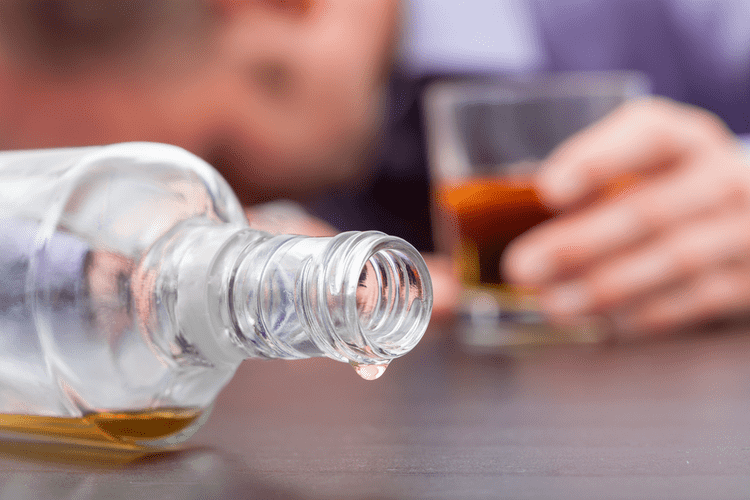
Please Always Remember to Drink Responsibly
Over a night of heavy drinking, you might pass through several stages of intoxication as your body breaks down the chemicals in your blood and changes the balance in your body. Because alcohol is soluble in water, it passes in a few hours in most cases. In addition to physical symptoms, being drunk can lead to a range of emotional and psychological effects. Initially, many people report feeling euphoric, happy, and more social. This is Sober living house because alcohol stimulates the release of neurotransmitters like dopamine and serotonin, which contribute to these feelings.
Physical Symptoms of Being Drunk
Pay attention to how you feel after each drink, and listen to your body’s signals. If you start to feel overly relaxed, dizzy, or disoriented, it’s a sign to stop drinking and give your body time to process the alcohol you’ve already consumed. Many believe that while alcohol impairs decision-making, it doesn’t significantly impact physical abilities. This misconception can lead to risky behavior, such as drunk driving. In reality, alcohol impairs coordination, balance, and reaction times, making physical tasks much more dangerous while intoxicated. When someone experiences alcohol poisoning, their body becomes overwhelmed by the amount of alcohol in their system.
The Dopamine Connection: Alcohol’s Reward System Activation
- This may cause them to pass through euphoric and depressive phases rather quickly and enter into more dangerous levels of intoxication.
- These all add more emotional stress to an already burdensome load, making it even harder to break free from emotional drinking.
Seizures can occur, and the skin may appear blue or pale due to compromised blood circulation. Breathing becomes shallow and labored, and there is a significant risk of choking on one’s own vomit. It is important to note that the effects of alcohol vary from person to person, and some people may be more susceptible to its disinhibiting effects. Understanding how alcohol affects decision-making can help individuals make healthier choices and avoid negative consequences. The effects of alcohol vary from person to person, and it is challenging to determine one’s own thresholds. It reaches the brain in just five minutes and starts to affect us within ten minutes.
Surprising Benefits of Sobriety That Will Transform Your Life
- Blood alcohol content (BAC) is the unit used to measure the amount of alcohol in a person’s bloodstream.
- So, the more you drink over a shorter period of time, the more alcohol hangs around in your bloodstream.
- Suddenly everybody in the bar is your new best friend and you are dying to tell them your life story.
A 2016 study found that very intoxicated people underestimate how drunk they are, how extreme their drinking is, and how likely their drinking is to affect their health. Because alcohol changes the way the brain processes information, it also makes it difficult for people to make suitable decisions or assess their own behavior. For example, people who are very drunk might underestimate how intoxicated they are. At the beginning of the study in 1985, all of the participants were healthy and none were why does being drunk feel good dependent on alcohol. Over the next 30 years, the participants answered detailed questions about their alcohol intake and took tests to measure memory, reasoning, and verbal skills.
What Does Being Drunk Feel Like? The Stages of Intoxication
The relationship between serotonin, alcohol, and perceived happiness is intricate. Initially, alcohol consumption can lead to a temporary increase in serotonin levels, contributing to feelings of relaxation and contentment. This boost in serotonin activity may be one reason why some people turn to alcohol as a means of self-medication for mood disorders or stress relief. Alcohol is a disinhibitor that affects the part of the brain that controls inhibition, making people less cautious and more inclined to take risks. Alcohol can increase the body’s production of dopamine, often referred to as a “happy hormone,” which can make people feel good and want to drink more. However, the effects of alcohol on the brain are complex and can lead to impaired judgment and lowered inhibitions, resulting in risky behaviour.
What it feels like
At a BAC level of 0.45% or greater, severe and irreversible damage is sustained to the internal organ systems. This grim reality underscores the lethal potential of excessive alcohol consumption. Your body functions will slow so much that you will fall into a coma, putting you at risk of death. https://deqah.com/recovery-podcastland/ Usually a man will start to feel tipsy after consuming 2 to 3 alcoholic drinks in an hour.
Alcohol tolerance can affect the extent to which a person feels intoxicated. People who frequently drink may feel less drunk than those who do not. People with alcohol use disorder may not feel drunk at all, even when their BAC is very high. The experience of alcohol intoxication is different for each person. Those who have not experienced alcohol intoxication may wonder what it feels like to be “drunk.” It can affect mood, speech, judgment, and more. As tolerance increases, it can become increasingly difficult to reach this euphoric state with the same amount of alcohol, prompting individuals to drink more heavily.
Comments